.png)


Last Updated on October 26, 2026
Last Updated on October 26, 2026





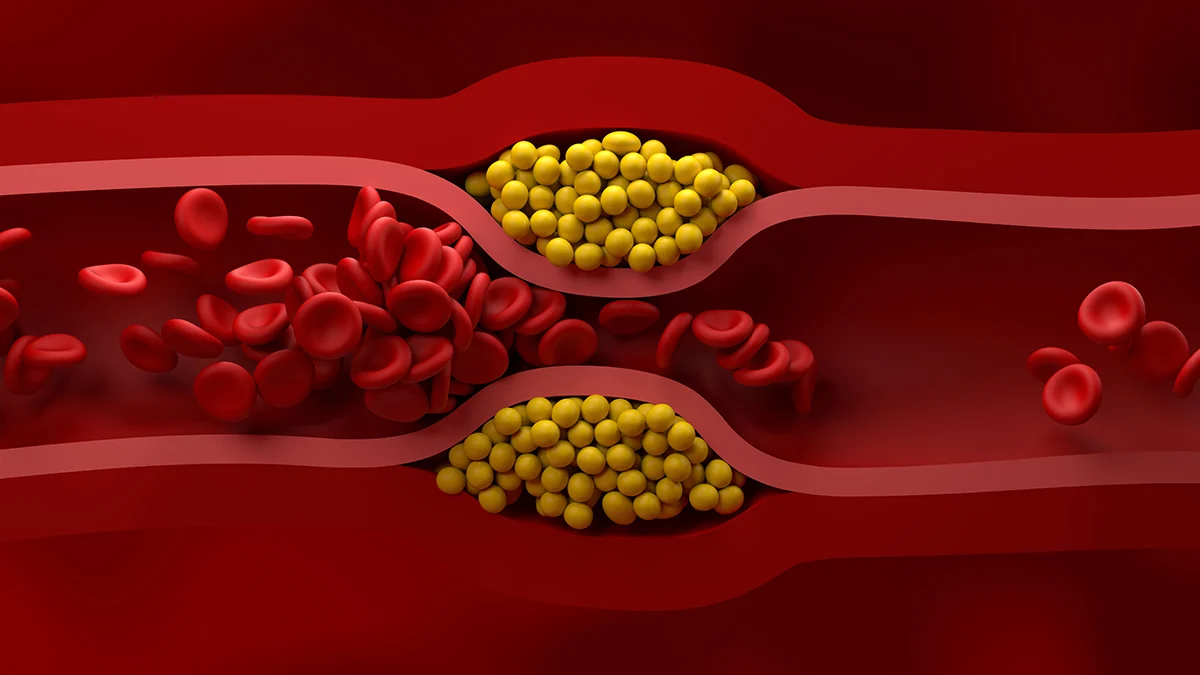
Leading US cardiologists have published new guidelines for managing high cholesterol – vital advice for reducing the risk of heart problems and strokes.
These fresh guidelines are compiled by medical experts from the American College of Cardiology and the American Heart Association, replacing the guidelines those organizations issued in 2018.
The updated information includes recommendations for detecting high cholesterol at earlier ages, details about the lifestyle changes that can lower cholesterol levels, and improved methods for calculating the risk of future heart attacks and strokes.
Shifting the paradigm toward proactive prevention strategies earlier in life can meaningfully change the trajectory of cardiovascular disease and lead to better health outcomes for people decades later, says cardiologist Seth Martin, from the Johns Hopkins Ciccarone Center for the Prevention of Cardiovascular Disease in the US.
Cholesterol is a fatty, waxy substance the body uses to make cell membranes and hormones. There are two types: the bad cholesterol, which is low-density lipoprotein (LDL), and the good cholesterol, high-density lipoprotein (HDL).
Too much LDL cholesterol is what causes blockages in the arteries carrying blood away from the heart, while too little HDL cholesterol is a problem too – it mops up excess LDL in the bloodstream and moves it to the liver, where it gets broken down.
New sections of the latest guidelines include advice about early screenings for those with a family history of heart disease or high cholesterol. There are proposals to make risk estimations more personalized to individual patients as well, and to start medication earlier in certain cases.
For clarifications/queries, please contact Public Talk of India at:
+91-98119 03979 publictalkofindia@gmail.com
For clarifications/queries,
please contact Public Talk of India at: